Sustainability gets real when you stand on a deck in August and feel the heat radiate up through your feet. In New Braunfels, TX we deal with intense sun, sudden thunderstorms that blow off Canyon Lake, cedar pollen, and caliche soil that moves after a wet spring. Materials that look green on paper can fail fast on a south-facing patio or a shaded Guadalupe River lot. A smart choice balances resource impact with durability, maintenance, and performance in our Hill Country microclimate.
I’ve built and serviced decks here long enough to see what holds up and what ages badly. Some of this comes down to product chemistry, but a lot comes down to design details: how we ventilate the framing, the fasteners we choose, the stain schedule, and whether a homeowner is fighting mold in a shady corner every fall. A New Braunfels Deck Builder who understands these conditions can help you source responsibly and build for longevity, which is the most sustainable outcome of all.
What sustainability means for a deck in New Braunfels
Sustainability has many facets, and trade-offs matter. A material with recycled content can still be a poor choice if it fails in seven years and lands in a landfill. Likewise, a long-lasting tropical hardwood might outlast multiple softwood decks, but its transportation footprint and sourcing ethics need scrutiny. In our climate, think in terms of lifespan, maintenance, heat gain, slip resistance, and resistance to UV, mildew, and pests.
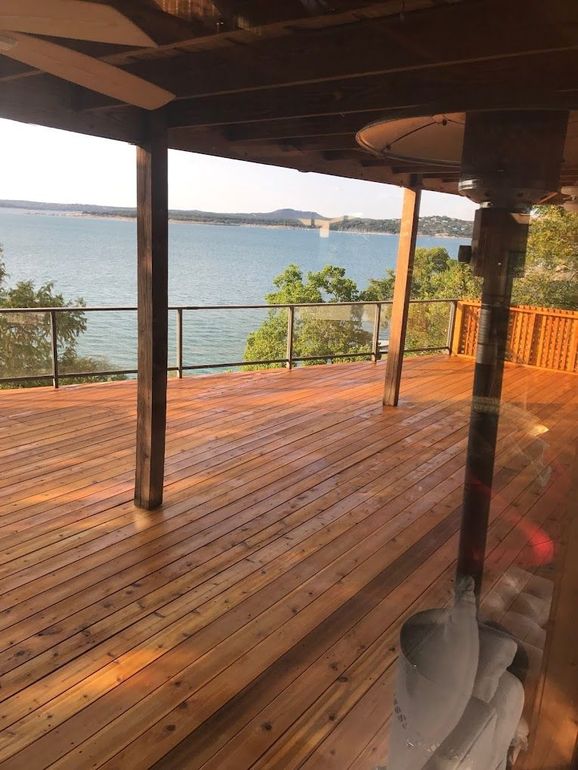
When a deck building company evaluates options with you, the conversation should cover three timeframes. First, immediate performance under Texas sun and storm. Second, maintenance over the next 5 to 15 years. Third, end-of-life recycling or reuse. That lifecycle view filters out trendy choices that do not serve you or the environment.
Pressure-treated southern yellow pine, upgraded for longevity
Most starter decks in the region use pressure-treated southern yellow pine. It is local to the South, relatively affordable, and widely available from lumber yards in New Braunfels. The preservatives today are typically copper azole or micronized copper, which resist decay and termites. The sustainability upside: lower transportation distances and the ability to repair individual boards easily. The downside: the initial treatment uses chemicals, and poorly detailed decks can twist and check under our sun.
Experience shows that treated pine can be a good option if three conditions are met. First, specify kiln-dried after treatment (KDAT) boards when possible. They are more stable, take finish better, and move less. Second, commit to a finish schedule: a penetrating oil or hybrid sealer after the first dry-out period, then every 18 to 36 months depending on exposure. Third, ventilate the underside with at least 12 to 18 inches of free air space and avoid trapping moisture against the joists. A deck builder who lays boards with adequate spacing and uses under-deck flashing at ledger connections will stretch the life of treated pine.
Sustainability here is about care and design. If you keep it sealed, remove mildew promptly, and replace the odd board instead of neglecting the whole surface, you can get 15 to 20 years, sometimes more. That compares favorably on a cost-per-year basis and avoids the waste of premature tear-outs.
Thermally modified wood for lower maintenance
Thermally modified wood changes the equation. By baking hardwoods or softwoods at high temperatures in a low-oxygen environment, sugars are altered and moisture uptake drops. The result is wood that is more dimensionally stable and more rot resistant without chemical preservatives. Brands vary, but common species include ash and poplar. In New Braunfels, thermally modified options handle sun better than untreated pine and cup less after summer rains.
From a sustainability lens, thermal modification can use regional species and avoids the extraction chain of copper-based preservatives. It takes energy to produce, but lifespan and reduced maintenance can offset that. Expect a natural silver patina unless you oil it, and plan for a gentle clean and refresh every year or two if you want to keep color. On installations near water, like a deck overlooking the Comal, the enhanced stability helps minimize end checks and splinters under bare feet.
Two caveats matter. Fasteners must be stainless, and pre-drilling is smart because thermally modified boards can be brittle at the ends. Also, while the wood resists rot better than untreated lumber, debris that accumulates between boards can still hold moisture, so spacing and airflow remain key. With good detailing, you can reasonably aim for 20 to 25 years.
Tropical hardwoods, ethics first
Ipe, cumaru, and garapa have a long track record on high-end decks. They are dense, naturally rot resistant, and shrug off our sun. I’ve seen ipe on an exposed pool deck south of Gruene that still looked structurally solid after 18 years, even with inconsistent oiling. From a performance standpoint, few materials beat tropical hardwoods for lifespan, impact resistance, and minimal movement.
Sustainability depends on sourcing. Require documentation: FSC certification or equivalent chain-of-custody, and ask your deck builder to share supplier credentials. A reputable New Braunfels Deck Builder should have relationships with importers who can trace logs to responsibly managed forests. The transport footprint is real, but there is a credible argument that a 30-plus-year deck with low maintenance offsets that over time, especially if offcuts are minimal and the design avoids waste.
Practical notes: hardwoods are hot under full sun. Lighter species or lighter finishes are friendlier to bare feet. Pre-drill every hole, use stainless screws with hidden fasteners where appropriate, and plan for oiling once or twice a year if you want to maintain color. Skip the oiling and the wood will silver, which looks handsome but can create tiny surface checks without affecting structure. If you want furniture-grade perfection, budget for routine care.
Composite and PVC decking, separating hype from performance
Composites mix wood flour or fibers with plastic, while PVC boards are all synthetic. In the Hill Country market, these products range from entry-level caps to premium lines with robust shell technology. The sustainability case has two angles. Some brands use recycled content, diverting plastic film and sawdust from landfills. The other angle is longevity with low maintenance, which reduces refinishing chemicals and replacement waste.
Performance varies by chemistry and cap quality. On the north side of a home shaded by live oaks, older composites used to mildew and stain. Modern capped boards resist that better, but organic debris still needs to be rinsed off so it does not feed surface microbes. Heat is another factor. Dark composites and PVC can hit temperatures that feel unbearable in August. Choose lighter colors, consider partial shading, and ask for a foot-test sample on a sunny day before you commit.
Premium PVC boards resist moisture absorption altogether, which helps on low-to-grade applications or around splash-heavy pools. Composites often feel more wood-like underfoot and can be more forgiving on temperature. Both categories benefit from hidden fastener systems that keep faces clean. Sustainability-wise, look for brands that publish recycled content percentages and participate in take-back or recycling programs at end-of-life. Some do, some do not, and policies change. A local deck building company can steer you to distributors in New Braunfels, TX who collect cutoffs for recycling.
Reclaimed and salvaged options
Occasionally, reclaimed longleaf pine or oak becomes available from deconstructed barns or warehouses. When it is sound, it can make a striking deck surface or feature elements like benches and privacy screens. True reclaimed stock reduces the need for new harvest and brings character you cannot fake. The catch is consistency. Boards vary in thickness and density, and hidden metal can dull tools.
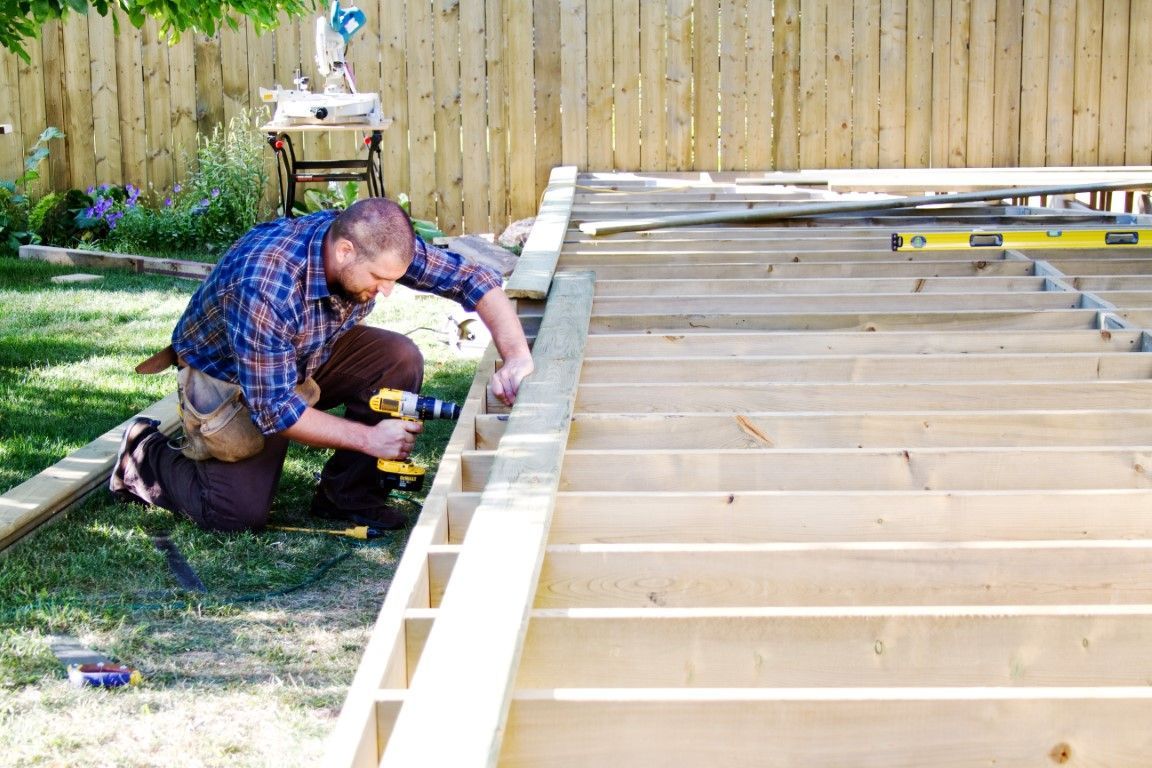
For a main walking surface, reclaimed hardwoods do best under a covered porch where rain exposure is limited. Outdoors in full weather, use reclaimed material for accents: stair risers, fascia, or built-in planters, where movement and checking are less of a concern. Salvaged steel, properly sealed, can pair with wood for modern railings and long spans, and it often contains recycled content. If you pursue a reclaimed route, loop in your deck builder early so they can design around the variability and test finish adhesion before installation.
Fasteners, flashing, and the sustainability of the unseen
A deck’s weakest point is often the part you do not see. A rot-free ledger saves tear-outs. Stainless steel fasteners in coastal or high-splash areas prevent ugly staining and early failure. Peel-and-stick flashing at the ledger and joist tops protects structural lumber from trapped water. Those details add a few dollars per square foot but can add years to a deck’s service life.
End-grain sealing on cut ends of hardwood and thermally modified boards reduces checking. Hidden fastener systems minimize penetrations and make resurfacing easier later. On composites, use manufacturer-approved clips to preserve warranty coverage. Thoughtful spacing accounts for expansion: composites and PVC need more gap in our heat than in milder climates. Your New Braunfels Deck Builder should calculate that spacing based on the day’s temperature at installation, which avoids buckling during August heat waves.
Finishes and cleaners that respect the river
Many New Braunfels homeowners live with the Guadalupe or Comal rivers in their backyard, or they see runoff crossing their lot during a storm. The finish and cleaner you choose matters. Waterborne penetrating finishes have improved dramatically, delivering decent UV protection with lower VOCs. Plant-based oils can be viable on certain woods but test a small area first; some attract mildew in humid shade. Avoid film-forming varnishes outside. They peel in our sun and lock you into heavy sanding later.
For cleaning, oxygenated cleaners and a soft brush are usually enough. Skip aggressive bleach unless you have a specific mold problem and then rinse thoroughly. High-pressure washers carve grooves into softwoods and can strip composite caps if misused. If you must use pressure, choose expert deck installation New Braunfels a fan tip and keep it at a safe distance. A deck builder can spot-clean stains with manufacturer-recommended solutions that do not harm caps or finishes.
Heat, glare, and barefoot comfort
Material choice affects comfort as much as durability. On a west-facing deck above a limestone pad, radiant heat becomes a quality-of-life issue from June to September. Lighter colors reflect more and stay cooler. Textured surfaces reduce glare and slip risk. Dense tropical hardwoods get warm, but lighter species like garapa or a silvered ipe surface feel tolerable compared to darker composites at full sun.
The substructure also influences heat. Ventilated air space under the boards lets heat dissipate. If you want a low-to-grade deck, choose materials that tolerate lower airflow, like PVC, and integrate shading strategies such as a pergola with a breathable canopy or a narrow slat screen on the west side. Comfort equals more use, and more use justifies the investment in sustainable materials.
Local sourcing and the carbon equation
New Braunfels sits between major suppliers in San Antonio and Austin, which helps reduce transportation emissions compared to rural builds. Pressure-treated pine and some thermally modified products are regionally produced. Composites and PVC often come via distribution hubs in Texas. Tropical hardwoods are the outliers with long shipping routes, but again, lifespan matters. When comparing carbon footprints, consider not just the deck surface but also joists and posts. A longer-lasting surface that allows you to keep the original framing for a future resurface avoids replacing hundreds of linear feet of treated lumber later.
Ask your deck building company about freight consolidation. Delivering framing, fasteners, and surface boards in one run reduces trips. On site, accurate takeoffs and careful cutting minimize waste. I keep a tally of offcuts over several builds. Smart layouts with uniform bay spacing can reduce scrap by 5 to 10 percent, which adds up on a 400 square foot project.
Budget ranges and honest expectations
Every material has a cost band that shifts with market conditions. As of recent regional pricing:
- Pressure-treated pine surfaces typically land at the lower end for materials, with installed project costs starting in the mid-range once you include framing, hardware, and labor. Thermally modified wood sits above treated pine but below most tropical hardwoods and premium composites, often hitting a sweet spot for homeowners seeking lower maintenance without a full luxury price tag. Composite and PVC options range widely. Entry-level capped composites can approach thermally modified pricing, while premium lines with advanced caps and color variegation move into tropical hardwood territory. Tropical hardwoods generally occupy the high end for both material and labor due to specialized tools and pre-drilling, but they deliver unmatched lifespan when maintained.
The installed price is only part of sustainability. Over ten years, finishes, occasional board swaps, and cleanings change the picture. A well-maintained thermally modified or hardwood deck can cost less per year than a neglected composite that needs frequent stain-removal treatments or hot-weather mitigation.
Design choices that make any deck more sustainable
Smart design stretches any material. Keep vegetation off the structure to maintain airflow. Detail rail posts so water does not sit at bolt penetrations. Slope boards slightly to shed water. On a home near Fischer Park, we added discreet drip edges along the outer rim to stop water from running back under and soaking joist ends. That small detail extended the life of the frame.
Think modularly. Build the structure to outlast the surface and choose a fastening system that allows for resurfacing without rebuilding everything. If you anticipate a future hot tub, reinforce that bay now to avoid adding beams later. Future-proofing saves waste.
Matching materials to New Braunfels microclimates
Conditions vary street to street. Here is a concise guide to pairing materials with site realities:
- Full sun, western exposure, poolside: lighter-tone PVC or lighter tropical hardwood like garapa, with shading elements and ventilated framing. For composites, stick to the lightest color ranges and higher-end caps for heat and stain resistance. Shaded lots near the river with heavy dew and mildew pressure: capped composites with strong mildew resistance or thermally modified wood kept clean. Avoid finishes that feed algae. Ensure generous board spacing and airflow. Low-to-grade decks over compacted soil: PVC or composite designed for reduced ventilation, with joist flashing and ground vapor barriers. Treated pine can work, but double down on ventilation and end-grain sealing. Covered porches and screened rooms: most materials do well; consider reclaimed accents. Because UV exposure is lower, finishes last longer, and expansion is less of a concern.
A New Braunfels Deck Builder should walk your site at midday and late afternoon to see sun angles and wind patterns. That 30-minute walk often changes material and color choices for the better.
Maintenance rhythms that keep waste down
Sustainability looks like quiet, regular care instead of big, disruptive fixes. Sweep debris monthly during oak drop and cedar pollen season. Rinse gently when you see green film forming. Schedule a spring inspection: tighten rail bolts, check for raised fasteners, touch up end seals on cut hardwood. On composite and PVC, spot-clean spills within days so they do not etch caps in the heat. On wood, replenish finish as soon as water stops beading; waiting a year too long doubles the effort.
If a board fails or stains badly, replace just that board. Keep two or three spare boards from the original batch, stored flat and shaded. On color-matched composites, UV changes over time, so saving original stock helps maintain a consistent look.
Choosing a partner in New Braunfels, TX
A local deck building company earns its keep by knowing which products are readily available, which distributors stand behind warranties, and how each material behaves through a Hill Country summer. Ask for addresses of past projects and go see them. Touch the boards, ask the homeowner what they would change, and look for details: clean flashing at the ledger, tidy cut ends, smooth transitions at stairs. A veteran deck builder will talk candidly about trade-offs and steer you away from choices that look good on social media but underperform at 102 degrees.
A practical roadmap for your project
Here is a short set of steps to move from idea to durable, sustainable reality:
- Walk your site with a builder at different times of day to assess sun, wind, and drainage, then set priorities: lifespan, heat comfort, maintenance level. Narrow materials to two candidates that fit your site and values, then request large samples in your chosen color to test under sun and water. Design for longevity: joist flashing, stainless fasteners where needed, adequate ventilation, and a layout that minimizes waste and allows future resurfacing. Confirm sourcing ethics and recycled content where relevant, including FSC certificates for hardwoods or published recycling programs for composites and PVC. Plan a maintenance schedule before construction finishes: finish type, cleaning method, inspection dates, and storage of spare boards.
A sustainable deck in New Braunfels is not a single product choice. It is the sum of smart materials, honest design, and steady care. When done right, the result is a space that weathers Texas sun without complaint, sheds a thunderstorm without puddles, and invites you out barefoot in the morning with a cup of coffee while the cicadas crank up again. If you want help putting the pieces together, a seasoned New Braunfels Deck Builder can translate these principles into a plan tailored to your yard, your budget, and the local supply chain.
Business Name: CK New Braunfels Deck Builder Address: 921 Lakeview Blvd, New Braunfels, TX 78130 Phone Number: 830-224-2690
CK New Braunfels Deck Builder is a trusted local contractor serving homeowners in New Braunfels, TX, and the surrounding areas. Specializing in custom deck construction, repairs, and outdoor upgrades, the team is dedicated to creating durable, functional, and visually appealing outdoor spaces.
Business Hours:Mon 7AM-7PM
Tue 7AM-7PM
Wed 7AM-7PM
Thu 7AM-7PM
Fri 7AM-7PM
Sat 7AM-7PM
Sun 9AM-5PM