Texas keeps you honest when you build outdoors. You might plan for blinding sun, long dry spells, and a few drenching storms, then a blue norther blows in and drops temperatures hard. That variability is exactly why footing depth matters, even in a state where many homeowners assume frost heave is a northern problem. If you are building a wooden deck in Texas, or hiring deck builders to do it, you need a clear picture of frost lines, soil behavior, and the codes that govern footings from El Paso to Beaumont.
This guide draws on field experience, inspector feedback, and the International Residential Code as adopted and amended by Texas jurisdictions. It explains why frost lines still matter in warm climates, how local soils can move and crack footings without a single snowflake, and what a deck building company will consider when choosing footing depth, diameter, and connection hardware. The goal is simple: a deck that stays level and solid for decades, not just through the next barbecue season.
Frost lines in Texas, by region and reality
Frost line is the depth where soil can freeze in a typical winter. Frozen soil expands. If water in the soil turns to ice, it can jack a footing upward, then let it settle unevenly when the thaw comes. Texas rarely sees deep frost, but the risk is not zero. North of I‑20, winter cold can penetrate a foot or more during sustained freezes. In the Hill Country and Central Texas, freezing depth is usually under a foot, and along the Gulf Coast it is often negligible in most years.
Local building departments publish minimum frost depths for foundations and deck footings. You will see numbers such as 6 to 12 inches around Houston and Corpus Christi, 12 to 18 inches in North Texas suburbs, and 12 inches as a common default in the Hill Country. Some jurisdictions simply require footings to extend below topsoil to undisturbed soil, with a minimum of 12 inches. Others adopt IRC tables and still require 12 inches even when frost depth is listed at zero. The key is that code addresses more than frost. It wants footings deep enough to find stable soil, well below organic layers and fill.
In practice, even a minimal frost depth can combine with soil moisture swings and cause movement. Builders in Dallas and Fort Worth typically dig below 12 inches for decks, not only to satisfy frost depth considerations, but to mitigate swelling clay that expands when wet and contracts when dry. In Austin and San Antonio, caliche layers and limestone fragments change the digging strategy and the way footings transfer load.
The code framework Texans actually use
Most Texas municipalities reference the International Residential Code, often the 2018, 2021, or 2024 edition with local amendments. Decks were substantially clarified in the 2018 IRC and improved again in later editions, especially with connection details for ledgers, posts, and guards. The code’s footing rules cover:
- Minimum depth below undisturbed soil or approved fill. Bearing capacity assumptions for typical soils. Minimum footing size based on tributary area and loads. Protection of wood in contact with or near grade. Uplift resistance in high wind regions.
Expect the building department to ask for a site plan, a framing plan showing beam and joist spans, footing locations, and a detail for each footing that shows diameter, depth, post connection method, and any uplift tie. Some cities want an engineer’s stamp if footings rest on poor soil, if the deck carries a roof, hot tub, or unusual loads, or if the deck is very tall.
The bottom line for anyone building a wooden deck: even in Texas, plan for at least 12 inches below grade to stable undisturbed soil, and go deeper when soils or loads demand it. The inspector has latitude to require more if site conditions warrant.
Soil is the real boss, and Texas soils are moody
If I had to bet which factor will crack or lift a deck footing in Texas, I would not pick frost. I would pick expansive clay. These soils swell as they soak up water and shrink when they dry. Movement of an inch or two across a season is common in heavy clay pockets around North Texas and the Blackland Prairie. That change can rack a deck frame, cause posts to tilt, or loosen a stair landing.
Sandy soils along parts of the coast and in South Texas drain well but can slump around shallow footings, especially where the terrain is level and water ponds. In the Hill Country, shallow limestone sits under a thin topsoil layer. A footing may not need great depth, but you will need a hammer drill, a rock bar, and occasionally a small breaker to reach the minimum and bell the base.
The takeaways are straightforward. First, pier diameter matters as much as depth on expansive clay. A wider base spreads the load and resists uplift from swelling soil. Second, undisturbed soil is your friend. Avoid setting footings in fresh fill unless it has been engineered and compacted. Third, if the site collects water, fix grading and drainage before you dig. Dry soil moves less.
What frost heave actually does, and when it does it in Texas
True frost heave needs three things: freezing temperatures below grade, water in the soil, and a frost-susceptible soil that draws moisture upward. Texas often lacks one or more of those ingredients. That said, short cold snaps can freeze the top few inches of wet clay. If your footing has a rough-sided form that grips the surrounding soil, freeze-thaw can lift the top and create a gap beneath, particularly with shallow pours. The next wet spell drops soil back down unevenly.
When decks fail here, it is usually the soil’s seasonal volume change, not classical frost heave. The fixes overlap: deeper embedment below the active zone, smooth-sided forms or sonotubes that discourage adhesion to surrounding soil, and bell-shaped bases that lock footings in place. The people who build decks for a living in North Texas quietly overbuild footings because they have learned that cost once beats repairs for the next decade.
Practical footing depths across Texas
There is no one depth that fits the whole state, but patterns emerge:
- Gulf Coast and South Texas: 12 inches often meets code where frost depth is functionally zero. In soft or sandy soils, step up the diameter and consider 18 to 24 inches for high loads or poor bearing. Central Texas and Hill Country: 12 to 18 inches is common. Shallow limestone can allow a shallower hole if you reach rock, but inspectors sometimes prefer at least 12 inches, even when you pin to rock. North Texas and the Panhandle: 18 inches is a sensible minimum for longer spans or clay soils. For tall decks or large tributary areas, 24 to 30 inches is not unusual. On heavy black clay, a belled base helps. Far West Texas: Variable. Some areas are caliche over hardpan. Depths around 12 to 18 inches are typical, but wind uplift increases in open terrain and may drive decisions about embedment and hardware.
Local amendment always wins. Call the building department and ask for the minimum frost depth and any standard deck footing detail sheet. A five-minute phone call can save a day of rework.
Pier size, spacing, and why tributary area matters
Footing diameter comes from the load a pier must carry. That load is the weight of the deck portion it supports, plus live loads from people and furniture, plus code-required allowances for snow or wind as applicable. We do not design deck footings in Texas for snow loads like Colorado, but we still calculate tributary area and use the soil’s assumed bearing capacity to size the footing.
Here is how I explain it to homeowners. Picture a beam supported by two posts. Each post and footing carries the portion of deck that drains to it, both along the joists and back to the ledger or out to the next beam. The result is square feet of deck per footing. Multiply by design load, divide by soil bearing capacity, and you get required footing area. If your soil is assumed at 1,500 pounds per square foot, the footing must be larger than if you can legitimately assume 2,000 pounds per square foot. Most jurisdictions default to 1,500 unless a geotechnical report supports a higher number.
On expansive clay, even if calculations say an 8‑inch diameter footing works, many deck builders bump to 12 inches or add a bell base to reduce settlement and resist uplift. That is not overkill. It is the cost of stability on soil that behaves like a sponge.
Concrete mix, bell bases, and clean holes
Deck footings succeed or fail on the small details that never make it into renderings. Clean holes are step one. Scrape away topsoil and organic material before you dig. Cut neat sides so the sonotube fits tight. If water collects in the hole, pump it out and let the base firm up. Mud at the bottom is not a foundation.
Bagged concrete mixes rated 4,000 psi cure to a durable pier in warm Texas weather, but only if you measure water correctly and consolidate the pour. A shovel handle or rebar wand knocked around the tube releases trapped air. Do not be shy about adding rebar. One or two vertical bars tied to a hoop or two makes a stronger column and helps resist bending if soil moves.
The bell base deserves a note. A bell is a widened base at the bottom of the pier. You can hand-cut it with a clamshell digger and spade in softer soils. In clay, a rented belled-hole digger makes life easier. The bell anchors the pier, cuts down on settlement, and discourages upward movement from swelling soil. Inspectors like them on big decks, tall decks, or clay sites.
Anchor hardware and post interfaces
A good footing is only as strong as its connection to the post. Set a galvanized post base in wet concrete, then align it with string lines. Adjustable saddle bases allow fine-tuning. If you are working on a sloped lot, remember that posts should be pressure-treated rated for ground contact, but they should not sit in or below concrete where water can pool around the wood. A standoff keeps the post one inch above the concrete pad, shedding water and extending the life of the post.
Wind matters. Much of Texas falls into higher wind speed zones than inland northern states. An embedded J‑bolt or cast-in strap that ties base to concrete can provide uplift resistance for free when you pour. If the deck sits in an exposed area, plan for holdowns at the beam to post connections and continuous load paths up through the joists to the ledger or rim.
When a ledger and when freestanding
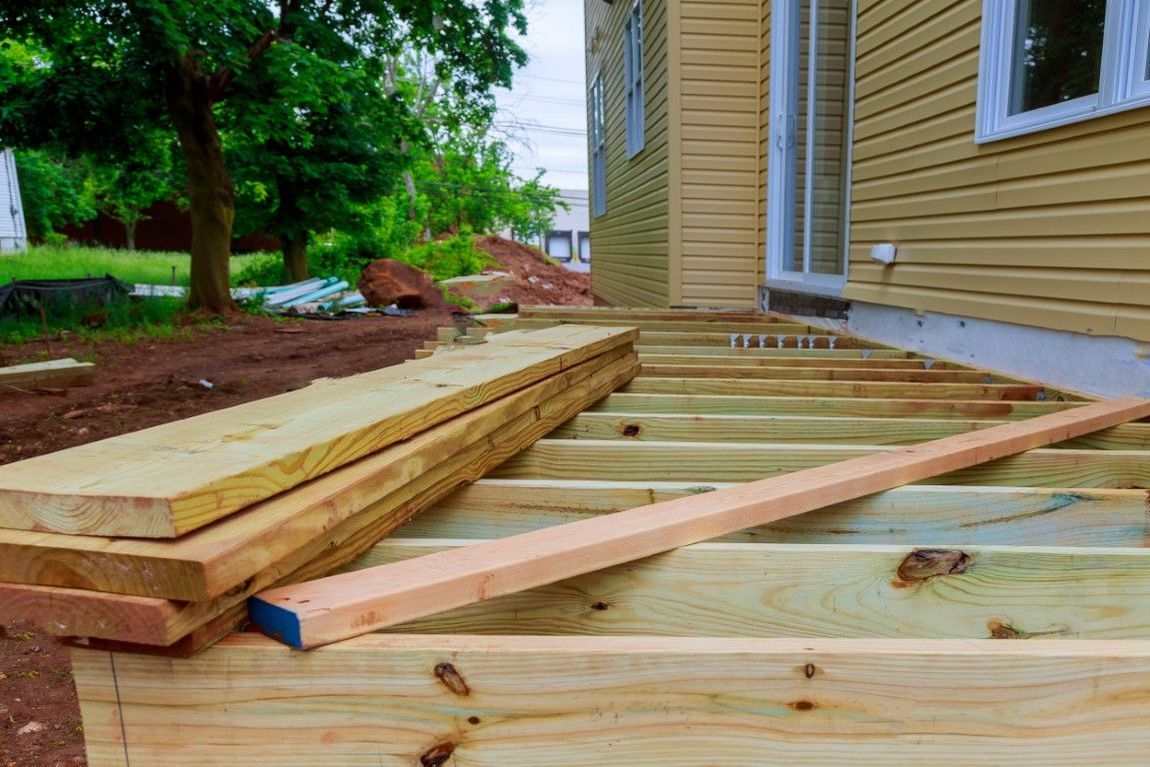
Not every house wants a ledger. Brick veneer complicates ledger attachments. So does a slab edge grade beam that sits low relative to interior floors. If you have a raised pier and beam house with a clean rim joist, a properly flashed ledger gives you a stiff, cost-effective structure and reduces the number of footings. On a slab with brick, a freestanding deck with its own line of footings near the house is often the smarter choice. You avoid cutting brick and the risk of poor flashing, and you follow a simpler path with the inspector. If you choose freestanding, make sure posts and footings near the house line meet the same depth and sizing rules as the outer row.
Drainage, surface water, and heave by another name
Texas rains come heavy. A one‑inch downpour in an hour can overwhelm flat lots and concentrate runoff. If water sheets toward a deck, the soil around footings swells and softens, then dries hard and cracked. That cycle beats up shallow footings. Before layout, watch a rain or run a hose to see where water goes. Cut swales, extend downspouts, and compact a gentle slope away from footing lines. If you plan pavers or grass under the deck, keep soil slightly crowned along the beam lines. CK New Braunfels Deck Builder Small grading moves save big structural headaches.
On coastal sites, remember that wind-driven rain and salt spray are hard on hardware. Use hot-dip galvanized or stainless connectors and fasteners rated for treated lumber, and avoid mixing dissimilar metals.
Permits, inspections, and what inspectors actually look for
Texas cities and counties vary, but their inspectors tend to care about the same items on deck footings:
- Depth and diameter match the approved plan, and holes reach undisturbed soil. Rebar where specified, properly tied and set. Clean bottoms without standing water or loose organic debris. Forms plumb and aligned, with post bases set correctly. Setbacks respected, utilities located, and easements avoided.
Expect a separate footing inspection before you pour. Once the holes pass, you can pour the same day if you scheduled it early. Bring a tape, the approved plan, and be ready to show your layout lines. If you hired a deck building company, ask them to text you photos of each hole with a tape measure visible. It is a small quality control habit that prevents arguments later.
Real-world choices that pay off
Years of building on Texas soils comes down to a few practical decisions that reduce callbacks. First, do not skimp on hole depth just because frost depth is shallow. Aim for the active soil zone boundary, which can be deeper than the minimum, especially in clay. Second, widen the base when soils are suspect. A modest bell is cheap insurance. Third, think load paths and uplift, not just gravity. Southern winds flex tall frames. Thread that resistance through your footing hardware to the top of the structure.
Where budgets are tight, spend money where it matters. I would rather see a homeowner choose a simpler railing or fewer built-in benches and invest the savings in proper footings and connectors. Pretty surfaces hide poor structure for a season, not for a decade.
Working with a deck builder in Texas
If you bring in deck builders, ask questions that test their footing plan more than their stain brand. A reputable deck building company will talk about soil type on your lot, not just your ZIP code. They will propose footing sizes based on spans and tributary areas, not a one-size-fits-all hole count. They will describe their plan for drainage and how they will handle shallow rock or slick clay. They will volunteer to call in utility locates, pull permits, and schedule inspections, even in jurisdictions that some homeowners try to bypass.
Your contract should name footing depth and diameter, the concrete strength, any rebar, and the post base hardware model. Vague contracts produce vague holes. Clear specs lead to clean work.
A short, practical checklist for footing planning
- Call the local building department for frost depth, soil assumptions, and any deck footing handout. Identify your soil: clay, sand, loam, caliche, shallow rock. Adjust diameter and base shape accordingly. Plan for drainage. Keep surface water away from footing lines and downspouts off the deck area. Size footings using tributary area and realistic bearing capacity. Err slightly large in clay. Specify connectors and uplift ties that match local wind exposure and treated lumber chemistry.
Edge cases worth respecting
A hot tub loads a deck like a small car. The water alone can add 300 to 600 pounds per square foot in the tub footprint when occupied. That calls for additional posts and larger footings under that zone, often with an engineer’s input. Roofed decks need uplift design and sometimes deeper footings. Multi-level decks on slopes behave differently than a simple platform. Step footings along grade to maintain depth, rather than slanting posts. On a waterfront, corrosion and wave or surge forces change both hardware and embedment.
Finally, historic homes and tree-protected lots may change your footing field plan. Root zones limit digging near heritage oaks. You may switch to fewer, larger footings outside the critical root area, or use helical piles to minimize disturbance if the city approves.
For the homeowner who wants longevity
A deck is a living piece of your landscape, and the soil will try to move it. You can work with that reality. Prioritize a footing design that addresses your soil first, frost line second. Confirm depth to undisturbed ground. Choose a base that spreads load and resists uplift. Keep water moving past, not into, your footing holes. Use hardware that lasts in Texas heat and storms.
The rest is stewardship. Walk the deck after big rains. Keep downspouts extended. Touch up any exposed cut ends on posts and beams with end-grain sealer approved for treated lumber. Tighten connectors annually. If a post goes out of plumb by a quarter inch over a season, the deck will likely tolerate it. If it drifts more, investigate drainage or soil moisture issues before they grow.
The quiet discipline that keeps decks straight
Footings are the least glamorous part of building a wooden deck, and likely the most important in Texas. Frost lines here may be shallow, but soil dynamics and wind loads are not. Code sets the floor. Your site sets the real standard. When you combine conservative footing depth, proper diameter, clean-hole practices, and hardware that carries loads up and down the frame, the deck sits still, even when weather or soil do not. That is the difference between a platform that feels solid a decade later and one that creaks, tips, and makes you nervous at a birthday party.
If you are planning a project, whether you DIY or work with a deck building company, put most of your thinking into the footings and first two feet above grade. The boards on top are the easy part. The concrete beneath is what makes the structure trustworthy in Texas.
Business Name: CK New Braunfels Deck Builder
Address:
921 Lakeview Blvd,
New Braunfels,
TX
78130
US
Phone Number: 830-224-2690
CK New Braunfels Deck Builder is a trusted local contractor serving homeowners in New Braunfels, TX, and the surrounding areas. Specializing in custom deck construction, repairs, and outdoor upgrades, the team is dedicated to creating durable, functional, and visually appealing outdoor spaces.
Business Hours:Mon 7AM-7PM
Tue 7AM-7PM
Wed 7AM-7PM
Thu 7AM-7PM
Fri 7AM-7PM
Sat 7AM-7PM
Sun 9AM-5PM
CK New Braunfels Deck Builder
CK New Braunfels Deck Builder is a local company located in New Braunfels, TX. They serve their community by providing high quality yet affordable deck building services. They specialize in wooden deck building, composite deck installation
CK New Braunfels Deck Builder is a local business in New Braunfels, TX
CK New Braunfels Deck Builder builds and installs wooden and composite decks
CK New Braunfels Deck Builder phone number is (830) 224-2690
CK New Braunfels Deck Builder address is 921 Lakeview Blvd, New Braunfels, TX 78130
CK New Braunfels Deck Builder website is https://www.deckbuildernewbraunfelstx.com/
CK New Braunfels Deck Builder offers wooden and composite deck repair
CK New Braunfels Deck Builder has a Google Maps Listing and you can check it here https://maps.app.goo.gl/sBMARoL4Yy9rREzY8
CK New Braunfels Deck Builder serves the historic Gruene Historic District (with Gruene Hall) area.
CK New Braunfels Deck Builder serves residents near Sophienburg Museum & Archives area.
CK New Braunfels Deck Builder serves residents around Comal County Courthouse
CK New Braunfels Deck Builder serves neighborhoods around the New Braunfels Historic Railroad & Modelers Society area.
CK New Braunfels Deck Builder has this Facebook page
Facebook
CK New Braunfels Deck Builder has this Twitter page
X
CK New Braunfels Deck Builder has this YouTube Channel YouTube
CK New Braunfels Deck Builder has this LinkedIn profile LinkedIn
CK New Braunfels Deck Builder has this Pinterest profile
Pinterest